
Celebrating Success: The Impact of Rewards on Project Managers and Team Dynamics
- Orane Bailey, PMP, MBA, PgD, BSc.

- Feb 24
- 3 min read
Recognizing the hard work of project managers and their teams is more than just a nice gesture. It plays a crucial role in boosting morale, increasing productivity, and building stronger team relationships. In my experience over the years, I have witnessed that when people feel appreciated, they tend to perform better and stay motivated. In this post, I will explain why rewarding project managers and their teams matters, suggest some creative ideas for gifts and rewards that are tailored to individual preferences, and also explain how these actions can improve team dynamics and create a positive work environment.
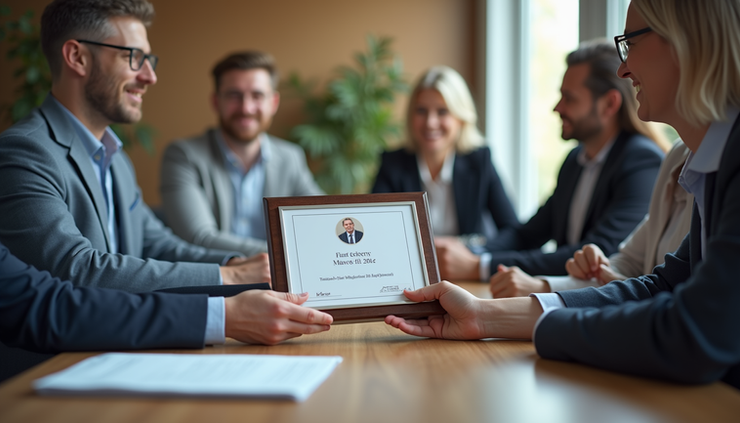
Why Recognition Matters for Project Managers and Their Teams
Project managers often carry the weight of coordinating complex tasks, managing deadlines, and keeping everyone aligned. Their teams work hard to meet goals, solve problems, and deliver results. Recognition helps in several key ways:
Boosts morale: Feeling valued lifts spirits and encourages a positive attitude.
Increases motivation: Rewards create incentives to maintain or improve performance.
Enhances productivity: Motivated teams tend to work more efficiently and with higher quality.
Reduces turnover: Employees who feel appreciated are less likely to leave.
Builds trust: Recognition fosters respect between managers and team members.
Studies show that employees who receive regular recognition are up to 5 times more likely to stay with their company. For project managers, this means smoother project execution and less disruption from staff changes.
Creative Ideas for Gifts and Rewards
Not all rewards have to be expensive or generic. Tailoring gifts to individual preferences shows thoughtfulness and makes the recognition more meaningful. Here are some ideas:
Personalized Gifts
Custom notebooks or planners with the project manager’s or team member’s name.
Engraved pens or desk accessories that reflect their style.
Artwork or prints related to their interests or achievements.
Experience-Based Rewards
Tickets to a concert, theater, or sports event.
Gift cards for a favorite restaurant or coffee shop.
A day off or flexible hours to recharge.
Skill and Growth Opportunities
Enrollment in a workshop or course related to their career goals.
Books or subscriptions to industry magazines.
Mentorship sessions with senior leaders.
Team-Based Rewards
Group outings such as escape rooms, cooking classes, or outdoor adventures.
Celebratory lunches or dinners.
Team trophies or plaques commemorating project milestones.
Small Everyday Tokens
Handwritten thank-you notes.
Snack baskets or gourmet treats.
Desk plants or wellness kits.
The key is to observe what each person values and choose rewards that feel personal and sincere.
How Rewards Strengthen Team Dynamics
Recognition does more than just make individuals feel good. It impacts the entire team by:
Encouraging collaboration: When team members see their peers recognized, they feel inspired to contribute and support each other.
Creating a culture of appreciation: Regular rewards set a tone where effort and success are openly celebrated.
Improving communication: Positive feedback opens channels for honest and constructive conversations.
Building loyalty: Teams that celebrate together develop stronger bonds and trust.
Reducing conflicts: Recognition helps reduce stress and frustration, which can lead to fewer disagreements.
For example, a project team that celebrates small wins with shared rewards often reports higher satisfaction and better cooperation during challenging phases.
Practical Tips for Implementing a Reward System
To make recognition effective, consider these steps:
Be timely: Recognize achievements as soon as possible to reinforce positive behavior.
Be specific: Mention exactly what the person did well to make the praise meaningful.
Be consistent: Regular recognition prevents feelings of favoritism or neglect.
Include everyone: Celebrate contributions from all team members, not just leaders.
Encourage peer recognition: Allow team members to acknowledge each other’s efforts.
Using a mix of public and private rewards can also help balance personal preferences and team culture.


Comments